
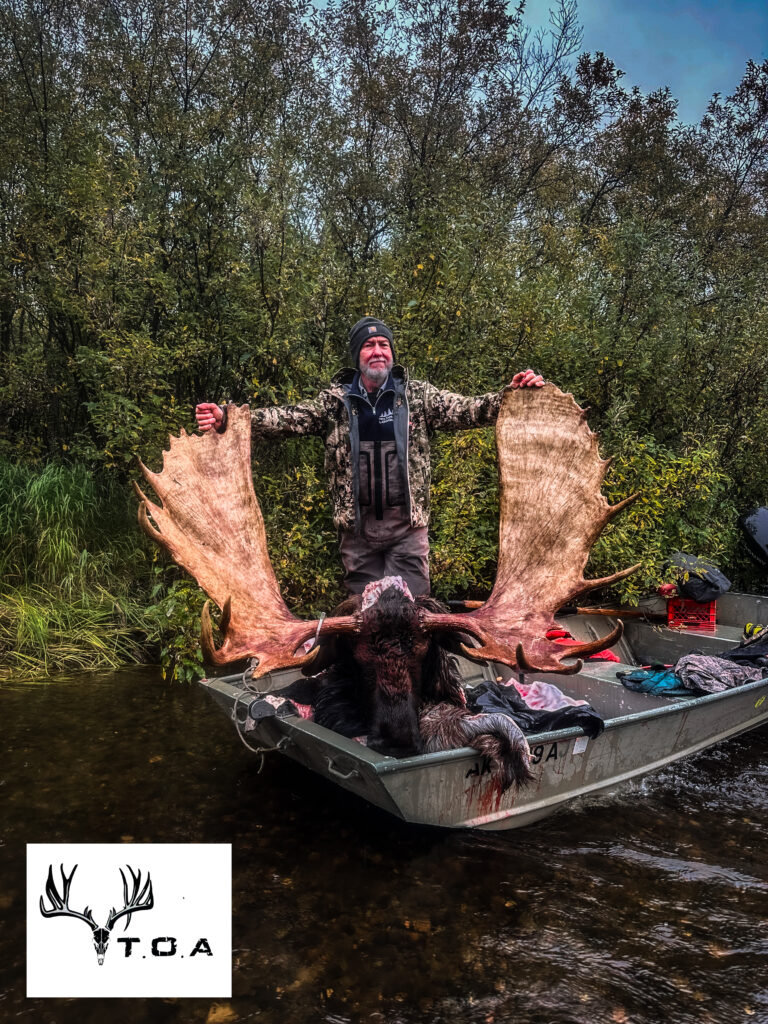
This was one epic Alaskan hunt. We kicked off with a 200-mile jet boat run in my 25-foot Alumaweld Super Vee, then switched to a 16-foot Smoker Craft sled to probe the tight tributaries of the Mulchatna River. The country is classic vast tundra—low brush, scattered spruce, and endless rolling hills. Out here the rule is simple: one day at a time. The scenery is stunning, but the land doesn’t forgive mistakes.
I flew into Dillingham on August 24. Dillingham is a remote fishing town on the southwest coast at the head of Nushagak Bay, above Bristol Bay. No roads connect it to the outside world—everything and everyone arrives by air or water.
The early start gave us time to rig boats, check gear, and double-check everything else. A 200-mile river run followed by days deep in the bush demands serious preparation. This corner of Alaska is truly empty; one mechanical failure, one grounded boat, or one bad decision can turn an adventure into a survival situation fast.
Our crew: five of us in two 25-foot Super Vees.
- Me (captain of the lead boat)
- Eric and Barry, the paying hunters
- Tim from New Zealand, along as an observer
- Manuel, my best friend from Mexico, riding shotgun with me
Eric is an excellent boat handler and had asked to run the second Super Vee. Experience matters when you’re threading shallow, braided channels that can hide a submerged log or gravel bar around any blind bend. Barry—Eric’s father-in-law—was the one actually carrying the moose tag.
The hunters landed in Dillingham on September 3. Plan: launch at first light on the 4th, run 200 miles up the Nushagak, swing into the Mulchatna, and camp on a gravel bar that night. Simple—until it wasn’t.
When Eric and Barry picked up their luggage, the Alaska Airlines baggage crew had apparently used Barry’s hard gun case as a drop test. The impact bent the top turret on his rifle so badly it was nearly sheared off. Not exactly the welcome you want after flying halfway around the world for a once-in-a-lifetime moose hunt.
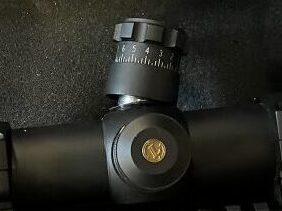
Lucky for us, Starlink kept us connected. A quick call to Sportsmen’s Warehouse in Anchorage and a new scope was on the next morning’s Alaska Airlines cargo flight. By 10 a.m. we had the rifle re-scoped, zeroed at 100 yards on the Dillingham beach, and were finally pointed upriver.
The normal run to our original camp takes about eight hours. Heavy loads and a late start slowed us even more, which turned out to be a gift—we drank in the wild scenery the whole way. Rather than push on in failing light, we pulled the plug early and set up camp in a proven backup area where I’ve killed some of my best bulls over the years.
Day one of actual hunting started in the swampy meadows—spongy, water-soaked tundra full of willow and grass that moose love. We found fresh tracks and rubbed willows but no animals. After lunch we motored to a prominent bluff overlooking the Mulchatna valley. The 360-degree glassing was spectacular. No moose, but we located a band of twenty caribou working a distant ridge, including several shooter bulls. The guys were grinning ear to ear.
Heading back downstream at dusk, we coasted past a patch of willows where a young bull was thrashing his antlers—classic early-rut behavior. Good medicine for tomorrow.
Next morning I fired up the Super Vee for a long exploratory run to a stretch that has produced big bulls for clients over the decades. Twenty-five minutes upstream, while rounding a sweeping bend, I drifted past a dark stand of black spruce on river left—the exact spot where a client arrowed a 70-inch giant thirty years ago. I was deep in that memory when Eric suddenly bellowed, “MOOOOOSE!”
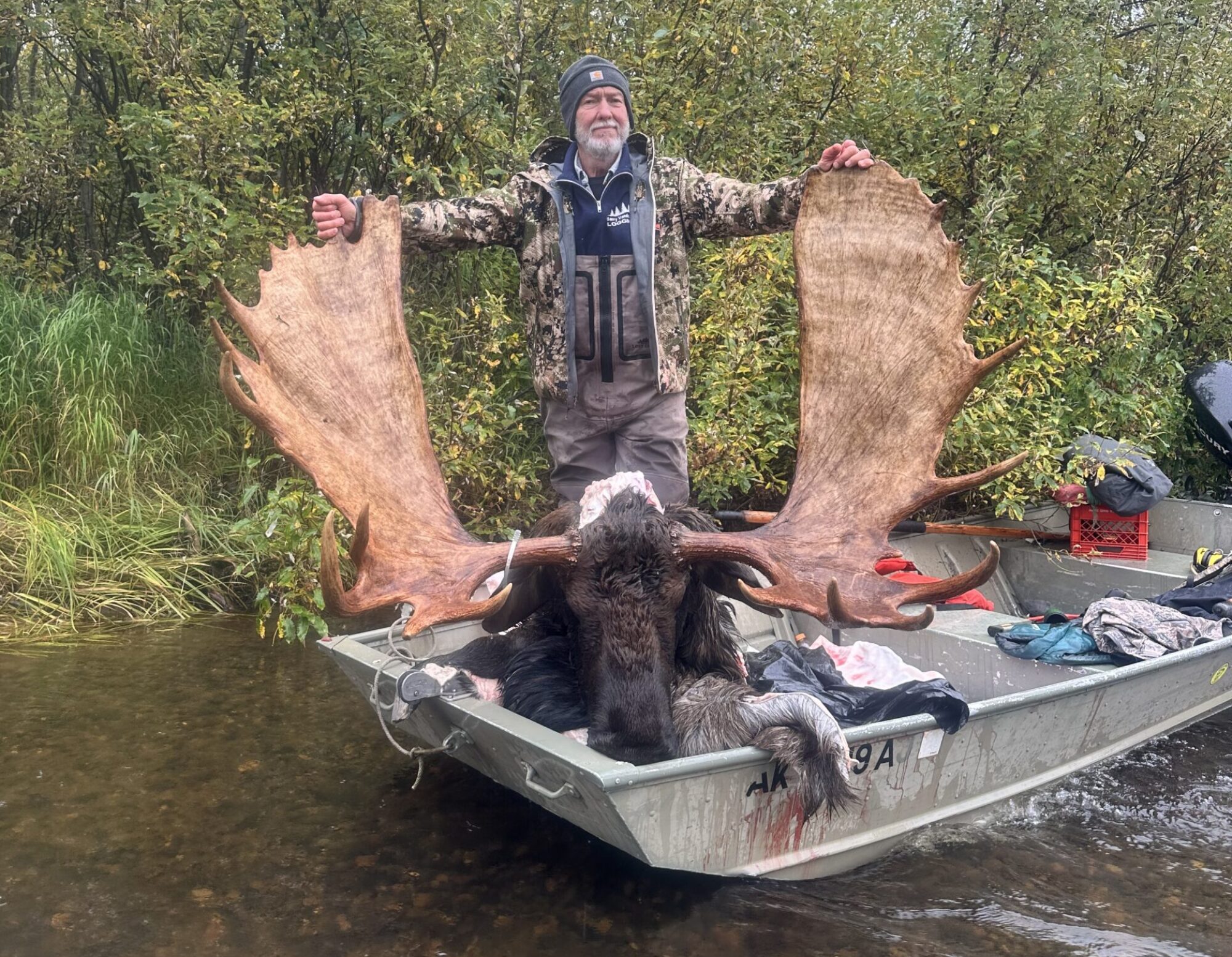
Fifty yards from that same spruce grove stood an absolute monarch—wide, heavy, and completely oblivious to the boat. Rut fog had him dialed in on something else. I killed the engine and coasted onto the gravel bar. Barry was already shouldering the rifle.
“Is he big enough?” he whispered.
“Barry, that’s a giant. Shoot him right now.”
Three quick shots echoed off the hills and the bull toppled—straight into the river.
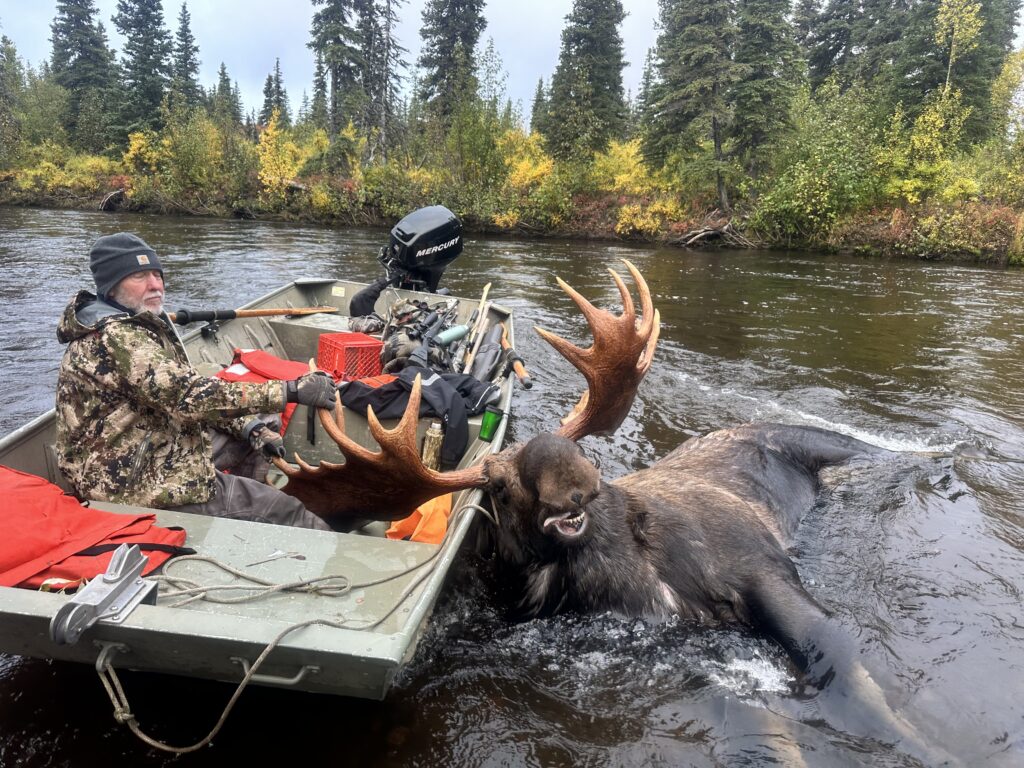
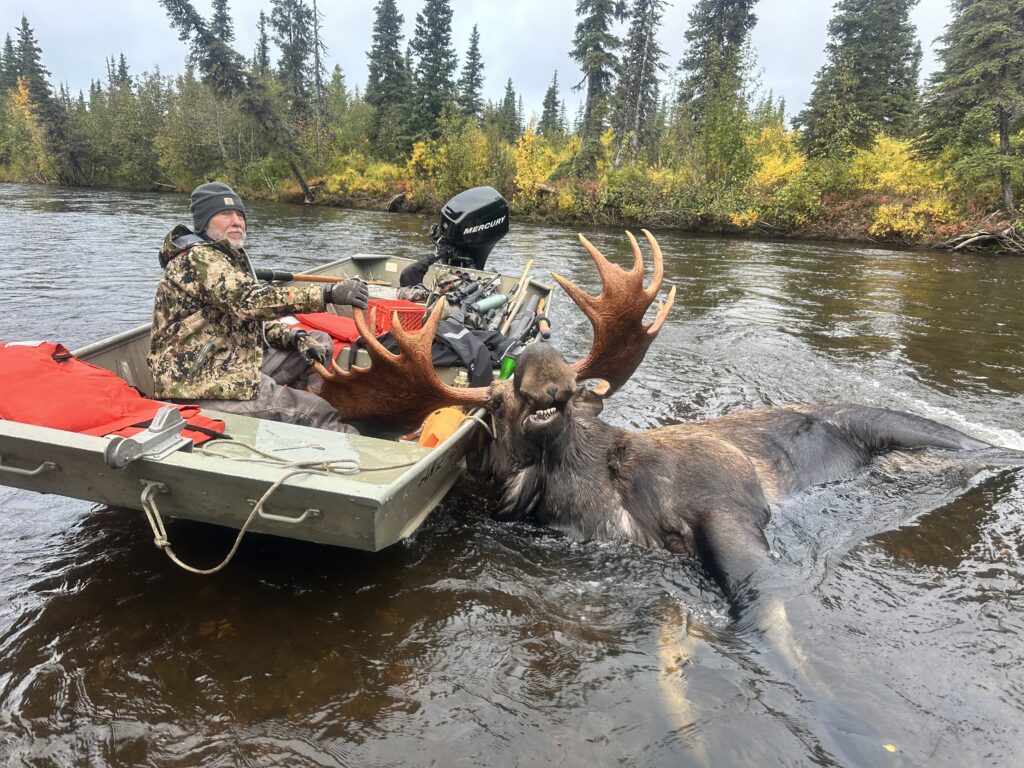
Dragging that bull to shore kicked off the real work. He floated high at first—thank God for early-season fat—so we snagged an antler with a rope and towed him into the shallows without much drama. Rolling him up on the gravel bar was another story. We quartered one side on the spot, loaded half the moose into the Super Vee, and made the first shuttle run downstream to camp.
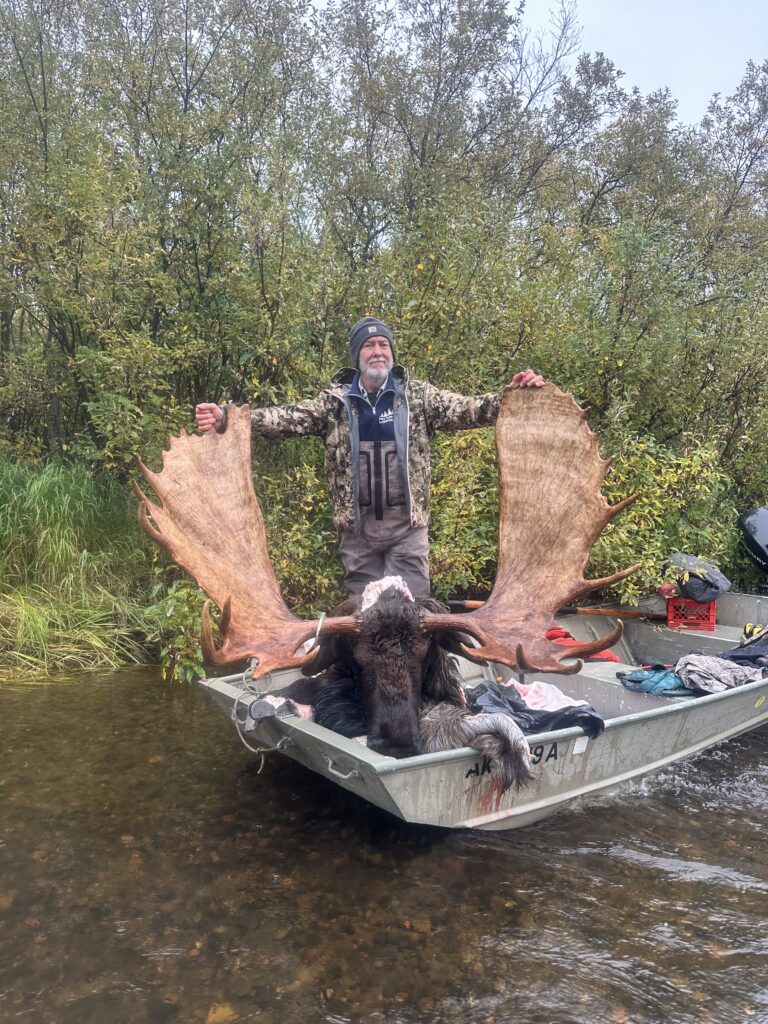
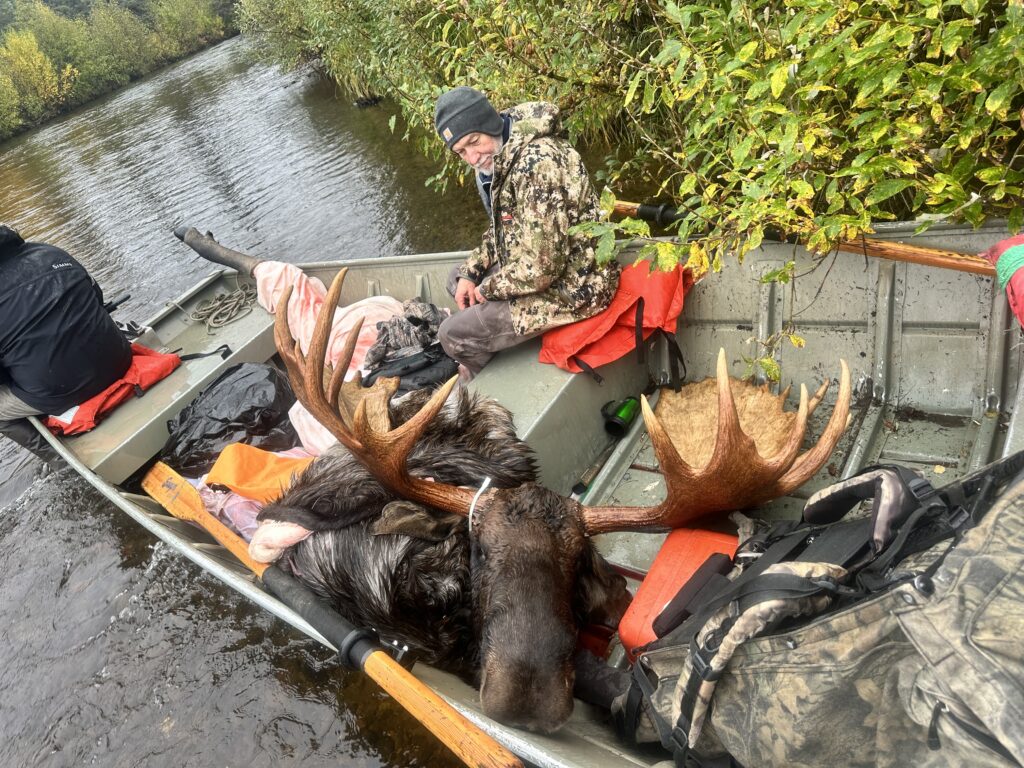
Back at the kill site with fresh game bags, a Sawzall, and stronger backs, we finished breaking him down: ribs slabbed off, neck meat bagged, and the massive antlers cut free at the pedicles. Five hours after the shots, the final load—meat, cape, head, and four exhausted guys—was stacked in the boat. We pointed downstream just as the light started fading.
The river wasn’t done with us yet. Submerged logs reached up like fingers and gravel bars shifted under the extra thousand pounds of moose, but muscle memory took over. A quick pole here, a hard reverse there, and we threaded the braids without dumping a single quarter. We ghosted into camp at dusk, soaked to the bone, grinning like idiots, and surrounded by the best kind of mess: a giant bull moose ready for the long pack home.
The start of the trip down the river to base camp.
The trip down river:
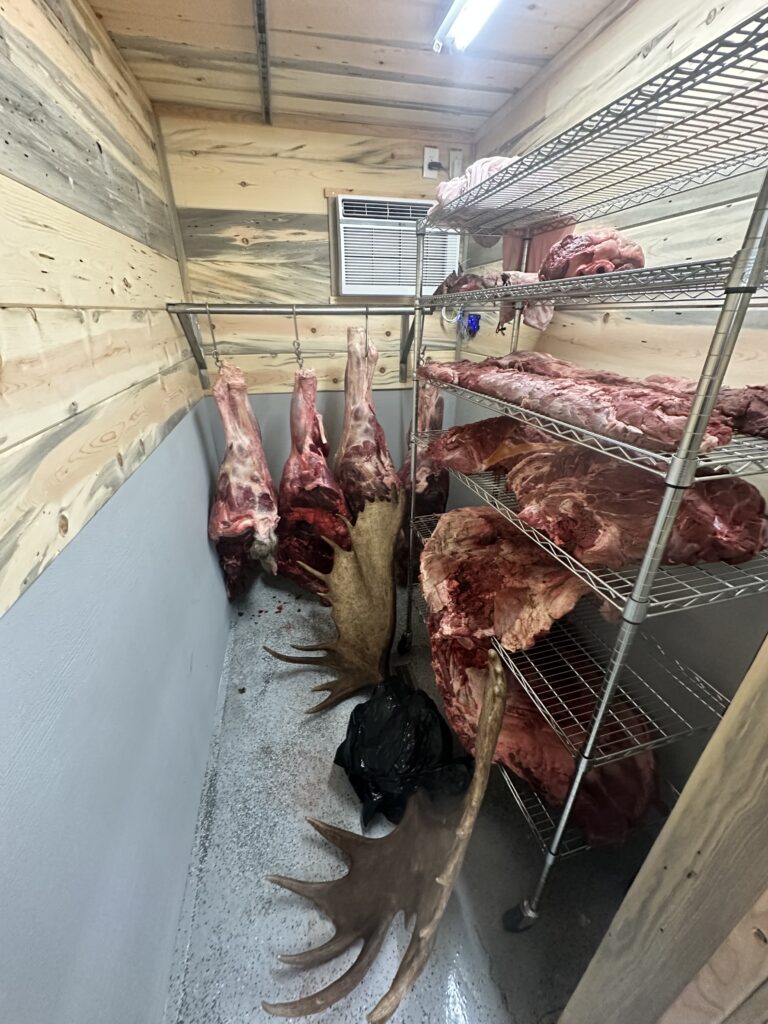
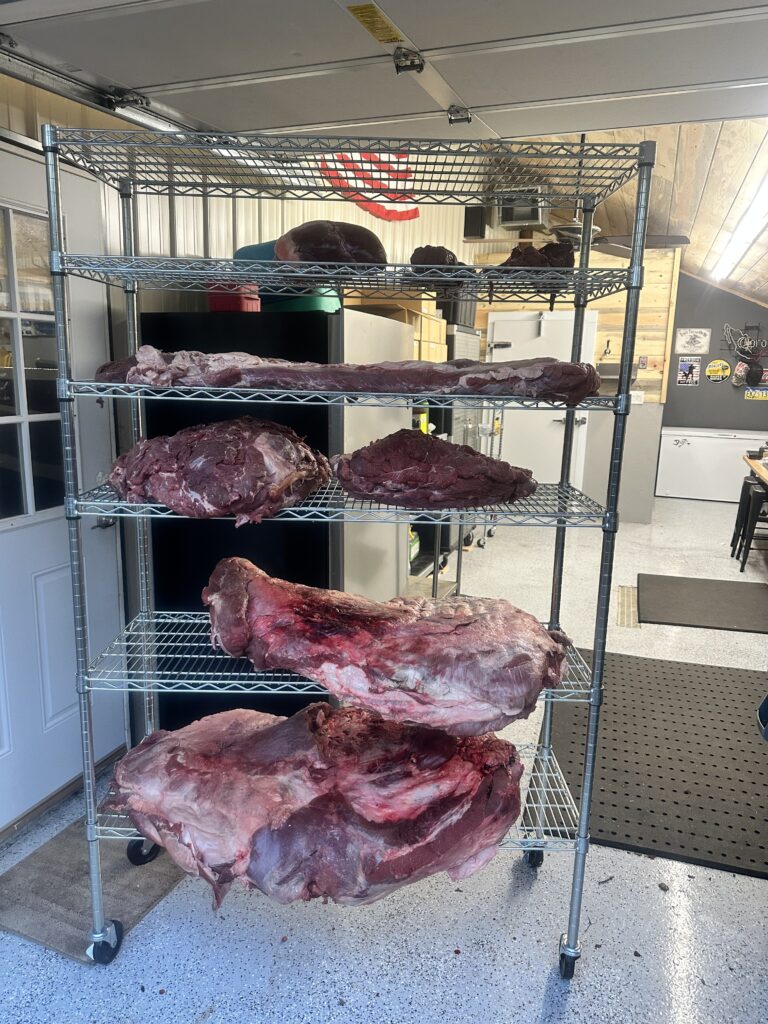
Once we were back at camp we needed to dry out the soaked meat that obviously was wet from laying in the water. Now the meat stays really clean but the water can get into the meat and start bacteria growth right away. Getting that meat back to Dillingham and hung in our walk in cooler was top priority. The day after we took the bull we spent time getting the meat as dry as possible.
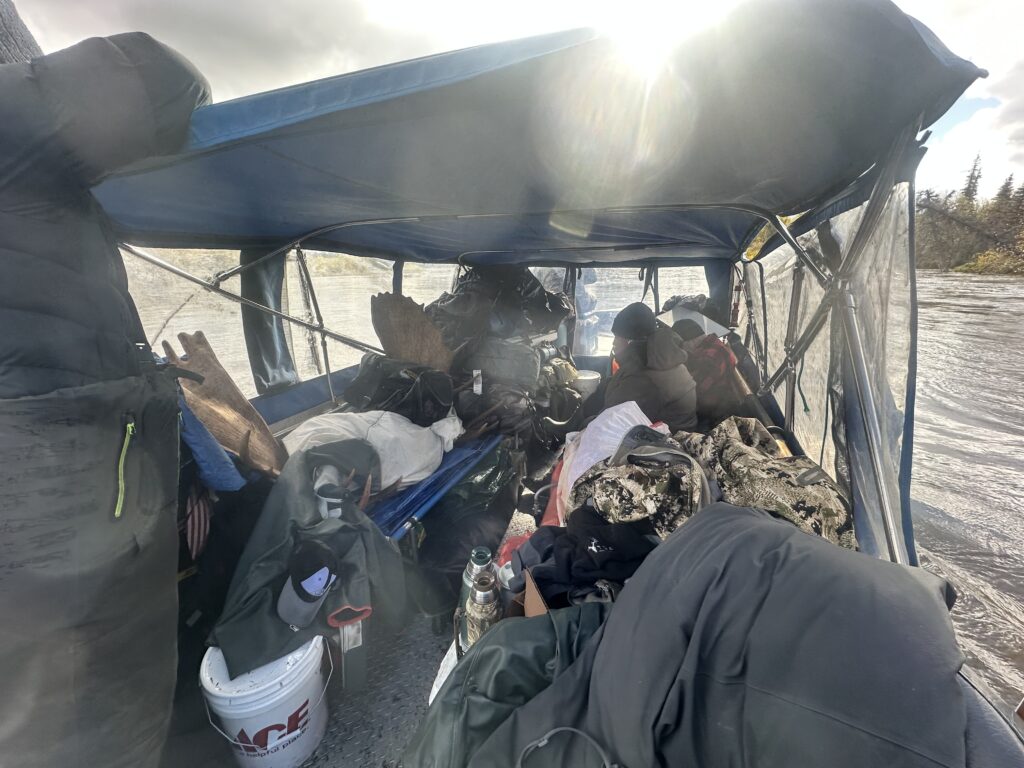
Packing our gear up and loading everything in the boat. We headed down river on the kicker motor for the first 40 miles or so. We were hoping that maybe a bear would be standing on the shoreline and easy target. No such luck, so we fired up the big motor and headed home. The next 5 hours was spent running down the winding river smiling the entire time from the successful hunt. It was late when we made it to Dillingham, but we were able to get the moose meat hung in the beautiful walk in cooler. Saving the meat and finishing out an awesome trip.
Click here from more information on Moose and Brown Bear hunts with us.